
Termites cause roughly $5 billion in property damage across the United States each year, according to the National Pest Management Association. In Southwest Florida, the warm, humid climate creates ideal conditions for termites to remain active year-round. That makes early detection critical.
The problem is that termites hide. They work inside walls, beneath floors, and along foundations where homeowners rarely look. By the time the damage becomes visible, repairs can cost thousands of dollars.
Knowing the early warning signs helps you act before the damage spreads.
Below are 12 signs of termites every Southwest Florida homeowner should watch for, regardless if you’re living in Cape Coral, Punta Gorda, Fort Myers, Bonita Springs, or anywhere around these areas known for heavy termite action.
1. Mud Tubes and Why Do They Matter?
Mud tubes are narrow tunnels made of soil, wood particles, and termite saliva. Subterranean termites build them to stay protected from the open air and predators as they travel between their underground colony and a food source.
These tubes are roughly the width of a pencil. You will most often find them along exterior foundation walls, interior baseboards, and crawl space supports.
If you spot mud tubes on your property, do not disturb them. Contact a licensed termite inspector to assess the situation and determine how far the colony has spread.
2. Spots on Drywall
Small specks of mud on your drywall can indicate termites feeding behind the surface. Termites consume the paper backing of drywall and then seal out light with mud as they work.
This sign is easy to overlook or dismiss as normal wear. If you notice unexplained mud spots on walls, especially near the floor line, schedule a professional inspection right away.
3. Bubbling or Peeling Paint
Termite activity generates moisture inside walls. That moisture causes paint to bubble, crack, or peel in ways that closely resemble water damage.
Southwest Florida’s high humidity already contributes to paint issues, which makes this sign tricky to identify on your own. The key difference is location. If bubbling paint appears on interior walls far from any plumbing, termites may be the cause. A trained technician from a local pest control company can determine whether the issue is moisture-related or termite-related.
4. Swarmers
Swarmers are winged reproductive termites that leave an established colony to start a new one. In Southwest Florida, subterranean termite swarms typically occur between February and May, though drywood termite swarms can happen later in the year, often in the fall.
Swarmers are attracted to light. You will usually see them near windows, doors, and light fixtures. They resemble flying ants, but there are differences. Termite swarmers have straight antennae, equal-length wings, and a broad waist. Flying ants have bent antennae, uneven wings, and a narrow waist.
According to the University of Florida’s Institute of Food and Agricultural Sciences (UF/IFAS), Florida is home to multiple termite species, including Eastern subterranean, Formosan, and drywood termites. Each species swarms at different times, which means vigilance is needed throughout the year.
5. Discarded Wings Near Windows and Doors
After swarmers land and find a suitable nesting site, they shed their wings. Piles of small, translucent wings near windowsills, doorframes, or on the floor are a strong indicator that a new colony is forming nearby.
This sign often appears suddenly and disappears just as fast. If you find discarded wings, save a sample and contact a termite control specialist for identification.
6. Damaged Wood
Termites consume wood from the inside out. Early wood damage may look like small pinholes in baseboards, door frames, or wooden trim. Over time, the damage grows. Wood may appear crushed, splintered, or hollowed.
You can test suspicious areas by pressing a screwdriver or similar tool into the wood. If it gives easily or crumbles, termites may have compromised the structure.
In Southwest Florida, where many homes use wood framing, even modest termite damage can become a structural concern if left unchecked.
7. Sagging Floors
When termites feed on the wooden support beams and joists beneath your floors, the structural integrity weakens. Floors may begin to sag, buckle, or feel soft underfoot.
This sign typically means the infestation has been active for a significant period. If your floors feel uneven or spongy, a professional structural and pest assessment is the right next step. The U.S. Environmental Protection Agency (EPA) recommends working with licensed pest management professionals for any suspected structural pest damage.
8. Cracks in Walls or Ceilings
Unexplained cracks in drywall, plaster, or ceiling surfaces can result from termites weakening wooden support structures behind those surfaces.
Not every crack signals termites. Florida homes settle over time, and temperature shifts cause natural expansion and contraction. However, if cracks appear alongside other signs on this list, such as mud tubes or bubbling paint, the combination strongly suggests termite activity.
9. Jammed Doors or Windows
Doors and windows that suddenly become difficult to open or close may indicate termites feeding on wooden frames. As termites consume the wood, the frame warps and swells.
Southwest Florida’s humidity also causes wood to expand, so this sign alone is not definitive. Pay attention to whether the sticking coincides with any of the other warning signs listed here.
10. Hollow-Sounding Walls
Tap on a wall that you suspect may be affected. If the sound is hollow or papery rather than solid, termites may have eaten away the wood inside.
This test works best on walls you know were once solid. Comparing the sound to a wall in a different part of the house can help you tell the difference.
11. Termite Droppings (Frass)
Drywood termites push their fecal pellets out of small holes in the wood as they feed. These droppings, called frass, look like tiny, dark, oval-shaped granules. They often accumulate along baseboards, windowsills, or beneath furniture.
Frass is one of the clearest indicators of a drywood termite infestation. If you find small piles that resemble ground pepper or sawdust, do not sweep them away. Document the location and call for an inspection.
12. Live Termites
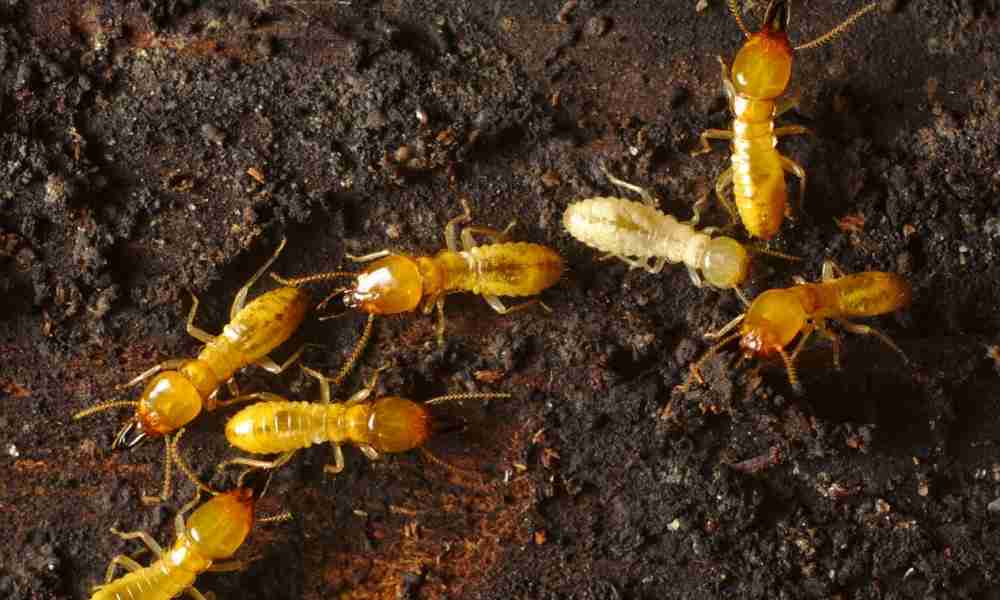
Seeing live termites is less common, but it does happen. Worker termites are small, soft-bodied, and pale or cream-colored. They are most often discovered during home renovations when flooring, drywall, or wood trim is removed.
If you expose live termites during a project, stop work and contact a professional. Disturbing the colony can cause termites to scatter and establish new nesting sites within the structure.
What to Do If You See Any of These Signs?
Act quickly. Termite damage compounds over time, and what starts as a minor issue can become a major structural problem within months.
Here is what to do next:
- Document what you found. Take photos and note the location.
- Avoid disturbing the area. Do not spray household pesticides, as this can scatter the colony without eliminating it.
- Schedule a professional termite inspection. A licensed technician will identify the species, assess the extent of damage, and recommend a treatment plan.
You can get a free termite inspection for your Southwest Florida home to ensure your property is protected. You’ll benefit from a team that understands the local termite species and seasonal patterns in your area, providing you with a treatment plan tailored to your home.
FAQs
What types of termites are common in Southwest Florida?
The most common type in the United States is the subterranean termite. These termites live in underground colonies and travel to above-ground food sources through mud tubes. Drywood termites, which live in wood without any contact with the ground, are also found in Florida’s warm climate.
How can I tell the difference between termites and ants?
Termites have a broad waist and straight antennae, while ants have a narrow waist and bent antennae. Termites are attracted to wood, while ants are attracted to sugar. Termites cause damage by eating wood from the inside out, while ants only cause structural damage if they nest inside your home and their numbers become too large. If you are not sure what you are seeing, contact a professional for identification.
What attracts termites to a home?
Common attractants include wood that is in contact with the ground, moisture in the soil around the foundation, cracks or openings in the foundation or exterior walls, firewood or lumber stored near the house, and cardboard or paper left outdoors. Correcting these conditions helps prevent termites from infesting your home.
Can I treat termites myself?
DIY methods rarely eliminate a colony. Over-the-counter sprays and baits may kill visible termites but leave the colony intact underground or inside walls. Professional treatments target the full colony and include follow-up monitoring to prevent re-infestation.
Think You Have Termites?
If you’ve noticed any of these warning signs, don’t wait for the damage to get worse. Our expert technicians provide thorough inspections and proven treatment solutions to protect your home.
Related Services
Termite Treatment
Comprehensive protection for your home
✓ Professional inspection
✓ Liquid soil treatment
✓ Annual monitoring
✓ Damage repair guidance
Termite Bait System
GPS-tracked ongoing monitoring
✓ In-ground bait stations
✓ GPS-tracked monitoring
✓ Starting at $25/month
✓ Annual inspections included
Basic Solutions Package
Year-round pest protection
✓ Common household pests
✓ Interior & exterior treatment
✓ Starting at $43/month
✓ Quarterly service visits