
Mosquitoes are more than a backyard annoyance in Southwest Florida. They carry diseases, disrupt sleep, and can make outdoor living miserable from spring through fall. In Lee and Collier Counties, warm temperatures and frequent rain create breeding conditions that last most of the year.
The good news is that mosquito problems are preventable. Controlling them starts with understanding where they breed, how they behave, and what steps actually reduce their numbers on your property.
This guide covers how to identify mosquito habitats, recognize the signs of growing activity, understand the health risks, and take action that works.
Where Do Mosquitoes Breed on Your Property?
Mosquitoes need standing water to reproduce. Female mosquitoes lay eggs on or near water, and those eggs can hatch into larvae in as little as 24 to 48 hours. The larvae develop into biting adults within 7 to 10 days.
The amount of water required is small. A bottle cap holds enough for mosquito eggs to develop. That means dozens of spots around a typical Southwest Florida property can serve as breeding sites without the homeowner realizing it.
Common Standing Water Sources
Check these areas weekly during the wet season and at least twice a month during cooler months:
- Bird baths that are not refreshed every few days
- Clogged gutters and downspouts that trap rainwater
- Plant saucers and pot trays beneath outdoor containers
- Old tires, buckets, and wheelbarrows left uncovered
- Tarps and pool covers with sagging pockets of water
- Low spots in the lawn or garden where water pools after storms
According to the Centers for Disease Control and Prevention (CDC), removing standing water is the single most effective step homeowners can take to reduce mosquito populations around their homes.
Dense Vegetation and Shaded Areas
Standing water is not the only factor. Mosquitoes rest during the hottest parts of the day in cool, shaded, humid areas. Overgrown grass, thick hedges, leaf piles, and cluttered garden beds all provide shelter.
In Southwest Florida, where tropical landscaping is common, this matters. Palms, ficus hedges, and dense ground cover offer ideal daytime resting spots for adult mosquitoes.
Reduce these habitats by keeping grass trimmed short, pruning shrubs away from the home’s foundation, and clearing leaf litter regularly. Some homeowners also plant mosquito-deterring species like citronella grass or lavender, though these plants work best as a supplement to other control measures, not as a standalone solution.
Outdoor Structures and Furniture
Patio furniture, playground equipment, grills, and storage sheds all collect water in ways that are easy to overlook. A single chair cushion left out after a rain shower can hold enough water for mosquitoes to breed.
Store outdoor furniture under a covered area or flip it over when not in use. Secure tarps tightly so they do not form water pockets. Check underneath decks and raised structures where puddles form in shaded soil. These small habits make a measurable difference over the course of a season.
How to Recognize Increasing Mosquito Activity
Daytime and Dusk Sightings
If you are swatting mosquitoes during the day, not just at dawn and dusk, the population around your property is growing. Mosquitoes are typically most active in the early morning and late evening. When you see them throughout the afternoon, it usually means breeding sites are nearby and producing large numbers of adults.
Weather plays a direct role. After heavy rain events, which are common during Southwest Florida’s wet season from June through October, mosquito populations can spike within a week. Warm, humid, overcast days also extend their active hours beyond the usual dawn-and-dusk pattern.
Bites and Skin Reactions
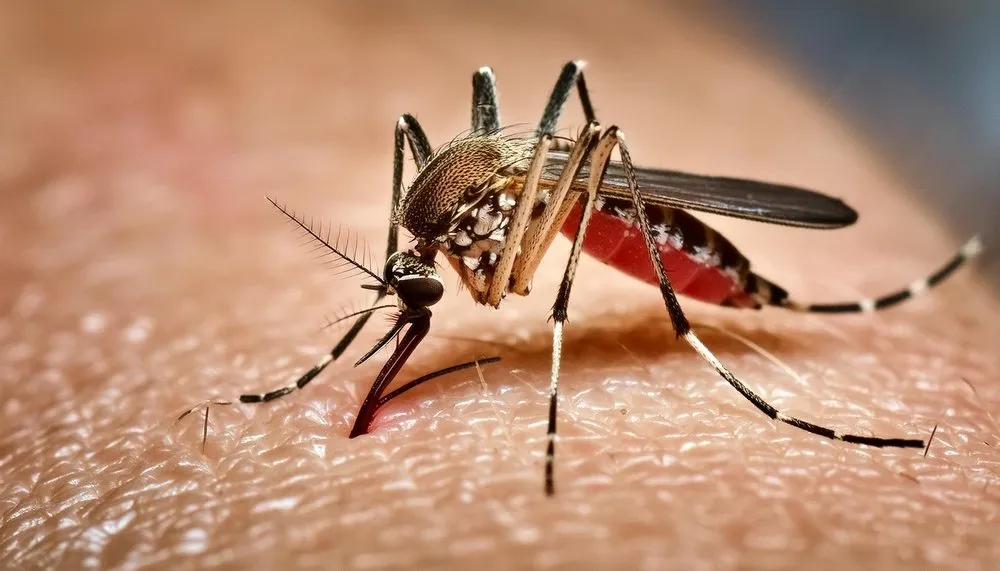
Mosquito bites appear as small, round, puffy bumps that itch. A red dot often marks the center. The reaction comes from proteins in the mosquito’s saliva, which trigger a mild immune response in most people.
Bites from mosquitoes look different from flea bites, which tend to appear in clusters around the ankles, and bed bug bites, which often form lines or rows. Knowing the difference helps you identify the source and choose the right response.
Most bites are harmless but uncomfortable. Avoid scratching, which can lead to infection. Clean the area with soap and water and apply a cold compress to reduce swelling.
Buzzing at Night
If you hear mosquitoes buzzing indoors at night or wake up with fresh bites, they have found a way inside. Check for gaps around window screens, torn screen mesh, and doors that do not seal tightly. In Southwest Florida, where windows and lanais are often left open, even small gaps are enough for mosquitoes to enter.
Indoor mosquito traps and fans near sleeping areas can help. Mosquitoes are weak fliers, and even moderate air movement makes it difficult for them to land.
What Health Risks Do Mosquitoes Carry in Southwest Florida?
Mosquito-Borne Diseases
Mosquitoes are the deadliest animals on the planet, responsible for more human deaths annually than any other creature. In Florida, the primary mosquito-borne disease concerns include West Nile virus, Eastern equine encephalitis, and dengue fever. Zika virus transmission has also been documented in the state.
The Florida Department of Health tracks mosquito-borne illness activity by county and publishes regular advisories during peak season. Southwest Florida’s subtropical climate and proximity to the Caribbean make ongoing awareness important for residents.
Symptoms of mosquito-borne illness vary by disease but often include fever, headache, joint pain, and fatigue. Many cases are mild, but severe complications can occur, particularly in older adults and people with weakened immune systems.
Prevention is straightforward. Wear long sleeves and pants during peak mosquito hours. Use EPA-registered repellents. And reduce breeding sites on your property to lower the overall mosquito population in your immediate area.
Allergic Reactions to Bites
Some people experience stronger reactions to mosquito bites than others. Symptoms of a mosquito bite allergy can include large areas of swelling, hives, and in rare cases, difficulty breathing. Children and people being exposed to a new mosquito species for the first time tend to have more pronounced reactions.
Over-the-counter antihistamines help manage mild allergic responses. If you or a family member experiences throat swelling, dizziness, or trouble breathing after a mosquito bite, seek emergency medical care immediately.
Risks to Pets
Dogs are especially vulnerable to heartworm disease, which is transmitted through mosquito bites. Heartworm is serious, potentially fatal, and expensive to treat once established. It is also entirely preventable with monthly medication prescribed by a veterinarian.
The American Veterinary Medical Association (AVMA) recommends year-round heartworm prevention for dogs in states like Florida where mosquito activity never fully stops. Cats are also at risk, though heartworm presents differently in felines.
If your pets spend time outdoors, reducing mosquitoes on your property protects them as well as your family.
What Actually Works for Mosquito Control?
Eliminate Breeding Sites First
No repellent, trap, or treatment is as effective as removing standing water. This is the foundation of mosquito control, and it should be your first step before anything else.
Walk your property once a week and dump, drain, or cover every container that holds water. For permanent water features like ponds or rain barrels, use mosquito dunks containing Bacillus thuringiensis israelensis (Bti), a larvicide that kills mosquito larvae without harming fish, birds, or pets.
Natural and Chemical Repellents
For personal protection, the two most effective active ingredients in repellents are DEET and picaridin. Both are registered with the EPA and supported by decades of research. Oil of lemon eucalyptus is the most effective plant-based alternative, though it requires more frequent application.
Citronella candles, essential oil diffusers, and ultrasonic devices are widely marketed but provide limited protection in open outdoor settings. They may help in small, enclosed spaces like a screened lanai but should not be relied on as a primary defense.
Choose the repellent that fits your situation. For extended time outdoors during peak mosquito hours, DEET or picaridin-based products offer the longest-lasting protection.
Professional Mosquito Treatments
When breeding sites are widespread or populations are already high, professional treatment is the most efficient path to relief. Licensed technicians can identify breeding sources that homeowners miss, apply targeted barrier treatments to vegetation and shaded resting areas, and set up larvicide programs for standing water that cannot be removed.
Paske Pest Control provides mosquito control services designed for the specific conditions of Lee and Collier Counties. Our team assesses your property, treats active breeding and resting areas, and returns on a regular schedule to keep populations suppressed throughout the season.
Long-Term Mosquito Prevention for Southwest Florida Homes
Inspect Your Property on a Schedule
Create a routine. Monthly inspections during the dry season and weekly inspections during the wet season will keep you ahead of mosquito breeding cycles. Focus on the areas where water collects, vegetation grows dense, and shade lingers.
A simple property walkthrough takes 15 to 20 minutes and can prevent weeks of mosquito problems.
Talk to Your Neighbors
Mosquitoes do not respect property lines. If your neighbor has a neglected pool, an overgrown lot, or standing water in their yard, it affects your property too. Politely sharing information about mosquito prevention helps the entire neighborhood.
Community-wide effort produces better results than any single property can achieve on its own.
Adjust by Season
In Southwest Florida, mosquito season intensifies from late spring through early fall, peaking during the summer rainy season. Increase your prevention efforts before the rains begin each year. Apply treatments earlier rather than later, inspect more frequently, and consider scheduling professional service on a recurring basis to stay ahead of population growth.
During the cooler months from December through February, mosquito pressure decreases but does not disappear. Maintain your routine at a reduced frequency to prevent populations from building back up when temperatures rise.
Protect Your Property Before Mosquitoes Take Over
Mosquito control in Southwest Florida is not a one-time task. It requires consistent attention to standing water, vegetation management, and seasonal adjustments throughout the year. The earlier you act, the fewer mosquitoes you deal with during peak season.
Start with the basics. Walk your property weekly, dump any collected water, keep your landscaping trimmed, and seal gaps around doors and windows. These steps alone can significantly reduce mosquito populations without spending a dollar on products or treatments.
When the problem goes beyond what prevention can handle, professional treatment fills the gap. A licensed technician knows where mosquitoes hide in Southwest Florida landscapes and can apply targeted solutions that keep populations low week after week.
Paske Pest Control helps homeowners across Cape Coral and surrounding communities take back their outdoor spaces. Whether you need a one-time treatment or a seasonal plan, our team builds a strategy around your property and your budget.
Do not wait until mosquitoes are swarming your lanai every evening. Get ahead of them now.
FAQs
When is mosquito season in Southwest Florida?
Mosquitoes are active year-round in Southwest Florida, but peak season runs from May through October. Heavy summer rains and high humidity create ideal breeding conditions during these months. Reduced activity occurs in the winter, though it never stops entirely.
Do mosquito repellent plants actually work?
Plants like citronella, lavender, and marigolds contain compounds that mosquitoes avoid. However, simply planting them in your yard provides minimal protection. The oils must be concentrated and applied to skin or diffused into the air to have a meaningful effect. Use repellent plants as one part of a broader strategy, not the only part.
How fast can mosquitoes breed after rain?
Eggs can hatch within 24 to 48 hours of being exposed to water. Larvae develop into adults in 7 to 10 days under warm conditions. A single female mosquito can lay up to 200 eggs at a time. This means a brief rainstorm can lead to a noticeable increase in mosquitoes within two weeks.
Should I hire a professional for mosquito control?
If you have eliminated standing water, maintained your landscaping, and are still dealing with high mosquito numbers, professional treatment is the logical next step. A licensed pest control company can apply targeted treatments that reduce adult populations and prevent larvae from developing.