
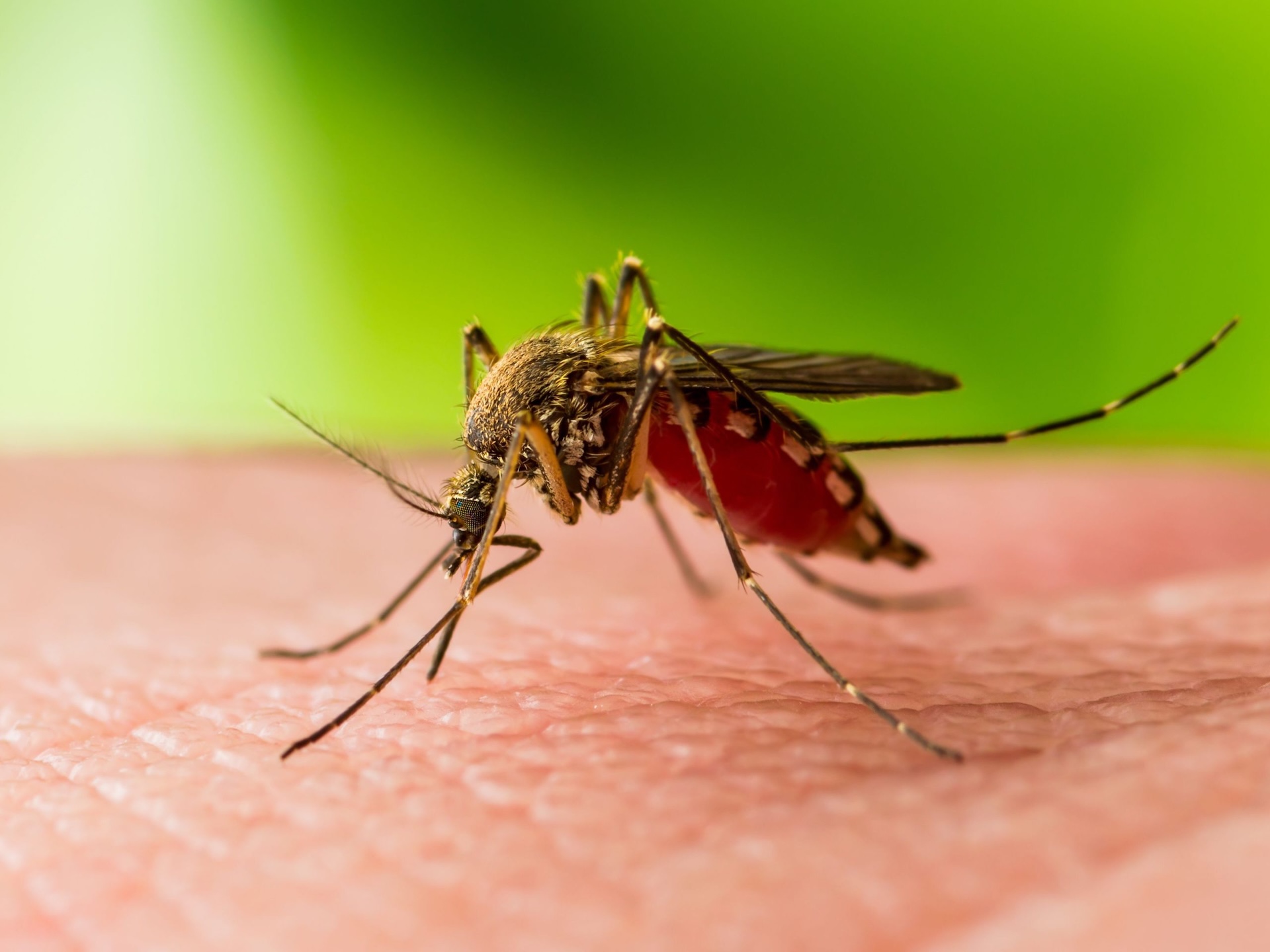
Mosquitoes in Southwest Florida need two things to thrive: water to reproduce and cool cover to rest.
The fastest way to reduce bites is to remove breeding sites first, then reduce resting areas. When you treat the cause, not just the symptoms, you reduce the next generation of mosquitoes rather than just protecting yourself for a few hours.
By taking a few strategic steps today, you can reclaim your outdoor space from these persistent pests. This guide walks you through the exact hotspots you need to target, from hidden water pockets to the shaded hideouts where mosquitoes wait for their next meal.
The primary goal is to provide you and your neighbors in Naples, Marco Island, and Bonita Springs, as well as in Estero, Fort Myers, Cape Coral, and Punta Gorda, with a clear, actionable roadmap to a more comfortable backyard.
Whether you are dealing with a sudden spike in activity or looking for long-term prevention, understanding these habitats is your first step toward a bite-free season.
Where Do Mosquitoes Breed Around Florida Homes?
Most mosquitoes lay eggs in standing water. In Southwest Florida, even short rain events, irrigation overspray, and humid weather can keep small pockets of water around long enough for eggs to hatch and larvae to mature.
That matters because mosquitoes do not need much water. A small container that stays wet for a few days can create a steady pipeline of new adults.
The goal is not perfection. The goal is to remove the easiest, most productive breeding sites that drive most of the bite pressure around patios, pool decks, and entry doors.
Standing Water? Check For that First
Start with container water because it is usually the fastest fix and the most overlooked. The surprising part is how many items hold water without looking like “standing water” at first glance.
Common hotspots include bird baths, plant saucers, buckets, toys, pet bowls left outside, and old tires. Gutters and downspout elbows are also high-yield breeding areas when they clog, because they can hold water for days without being noticed.
After heavy rain, low spots in the yard and garden beds can puddle, creating temporary breeding zones.
Empty and scrub containers, not just dump them. Scrubbing matters because some eggs can cling near the waterline. Keep gutters clear and confirm downspouts discharge away from the foundation.
If you have recurring puddling, address it the same way you would any drainage issue: re-grade, fill low areas, or improve runoff so water does not sit.
Water You Cannot Dump (Ponds, Rain Barrels, Drains)
Some water is part of your property design. Ponds, rain barrels, and certain drainage areas cannot be removed, but they can be managed to prevent them from becoming mosquito nurseries.
Keep screens tight on rain barrels and make sure lids seal. For ponds and ornamental features, circulation helps because many mosquitoes prefer still water. If a water source cannot be eliminated, a larvicide can be an option where label directions allow and where it makes sense for the site.
This interrupts the life cycle before mosquitoes become biting adults.
Where Do Mosquitoes Hide During the Day?
Mosquitoes rest in cool, shaded areas to avoid heat and wind. In SWFL, dense landscaping and shaded structures can stay humid and protected for long stretches of the day, which makes them ideal resting zones.
That matters because you can remove many breeding sites and still have adult mosquitoes hanging around the house if your yard has heavy shade, dense foliage, and protected corners near doors and outdoor seating areas.
Shade and Vegetation That Hold Mosquitoes
Focus on the places you use most. If mosquitoes are resting near the patio or pool deck, you will feel it immediately during peak activity times.
Common resting zones include overgrown shrubs near entryways, tall grass, thick ground cover, hedge lines along fences, and the shaded space under decks, lanais, and stairs. Palm fronds and dense landscaping around irrigation zones can also create cool pockets where mosquitoes sit during the day.
Trim shrubs to open airflow and allow more light through. Keep grass short and edge back thick ground cover that creates dense mats. Clean up leaf piles and keep compost contained and turned so it does not turn into a damp, shaded shelter.
Mosquitoes are weak fliers and prefer protected, humid microclimates.
Outdoor Items That Quietly Create Breeding Sites
Outdoor structures and furniture often create hidden cups of water. The issue is not the item itself. The issue is shape and placement, especially after storms or when items are left unused for weeks.
That matters because you can eliminate obvious standing water and still have mosquitoes breeding in folds, seams, low points, and stacked areas that never dry out.
What to Inspect After Every Rain
After rain, do a quick pass specifically looking for pockets and bowls, not just puddles on the ground. Patio furniture frames and stacked chairs can hold water in corners and channels.
Umbrella bases can collect water without being noticed. Kids’ toys, wagons, tarps, kayak covers, and boat covers often create water pockets. Unused tires and equipment can hold water for long periods.
You can prevent water buildup by storing items upside down or under cover when possible. Stretch tarps tightly so water sheds rather than pooling. And always use fitted covers designed to drain, not sag.
Signs Mosquito Activity Is Getting Worse
You do not need to see a swarm to have a problem. What matters is the pattern: when you are getting bitten, where it is happening, and whether it is getting more consistent week to week.
You Notice More Mosquitoes at Dusk and Near Doors
Mosquitoes often peak at dawn and dusk, but warm, humid conditions can extend activity. If you suddenly notice more mosquitoes near doorways or on the patio where you did not before, assume a new breeding site showed up recently.
Re-check the property after the last storm and look for new standing water first. Prioritize the area within 30 to 50 feet of patios, pool decks, and doorways because those are the zones that influence daily quality of life. If mosquitoes are also getting indoors, check door sweeps, screens, and gaps around sliders.
Activity spikes often track fresh breeding sites.
Bites, Welts, and Irritation
Most mosquito bites cause itching, redness, and swelling because of saliva proteins. This is why bites can feel worse some days than others, even if the mosquito exposure was similar.
Mosquito bites are often single or scattered puffy bumps. Flea and bed bug bites are more likely to show up in clusters or lines. If bite reactions become severe or you see systemic symptoms, treat it as a medical issue and contact a clinician.
Indoor Buzzing and New Bites Overnight
If you wake up with bites, mosquitoes are getting inside. This can happen even in well-maintained homes if a screen has a small tear or a door sweep is worn.
Replace torn window screens, seal gaps at doors and sliders, and check pet doors for tight closure. Also look for indoor standing water sources like plant trays near entry points, which can keep mosquitoes around once they get inside.
Controlling entry points reduces bites even when outdoor activity is high.
Health Risks That Matter in Florida
Mosquito control is not just about comfort. It is about risk reduction for your household, your guests, and your pets . Florida’s climate supports long mosquito seasons, which increases exposure time if mosquitoes are consistently present around the home.
Mosquito-Borne Diseases
Mosquitoes can spread viruses that cause serious illness, including West Nile virus, Zika, and dengue. West Nile can cause severe neurologic disease in some cases. Zika is a major concern during pregnancy due to fetal risks. Dengue can progress to severe disease with warning signs that require medical attention.
Allergic Reactions
Most bites are mild, but some people have stronger reactions. Mild symptoms often respond to an oral antihistamine and topical anti-itch products. Severe symptoms can include facial swelling, breathing issues, or widespread hives, which require urgent medical care.
Severe allergy symptoms can escalate quickly.
Pets and Heartworm Risk
Mosquitoes transmit heartworm disease in dogs. Prevention is recommended year-round, especially in climates that support ongoing mosquito activity. Protect pets by keeping them on veterinarian-approved heartworm prevention and reducing mosquitoes around outdoor water sources and kennels.
Mosquito Control Strategies That Work Long Term
Implementing a sustainable defense against pests requires a shift from temporary fixes to a consistent strategy for your property.
Step 1: Remove Breeding Sites
Walk the yard once a week during mosquito season, and again after heavy rain. Keep the focus on simple, repeatable actions that eliminate most breeding sources.
Use this fast checklist: dump and scrub water-holding containers, clear gutters and downspouts, tighten or remove sagging tarps and covers, fix low areas that pond water, and screen rain barrels and maintain drains.
This reduces the next generation before it can bite.
Step 2: Reduce Resting Areas
Trim vegetation and open airflow, especially around patios, pool decks, and entry points. The objective is to reduce shade pockets and damp zones that mosquitoes prefer during daylight hours.
Why? Less shade and humidity means fewer mosquitoes stay close to the home.
Step 3: Use Repellents Correctly
Choose your repellent based on duration and conditions. DEET and picaridin are common options for longer protection . Plant-based options can help in low-pressure situations but may need more frequent reapplication.
Follow the label every time.
Step 4: Know When to Call a Professional
If you keep removing water and still have heavy activity, the property may have hidden breeding sources, high neighborhood pressure, or dense resting zones that need a targeted plan.
Professional mosquito control in Southwest Florida can also be useful when you want a barrier approach for patios, lanais, or pool decks, or when you cannot locate the source despite consistent maintenance.
FAQs
How often should I check my yard for standing water?
At least once per week in warm months. Check again after heavy rain because new breeding sites form fast.
Do mosquitoes breed in clean water or only dirty water?
Both. Many species prefer clean, still water in containers like bird baths and plant saucers.
What is the biggest mosquito mistake homeowners make?
Treating bites without removing breeding sites. Repellent helps you today, but water removal reduces next week’s mosquitoes.
Can mosquitoes come from my neighbor’s yard?
Yes. That is why your best results come from removing water on your property and reducing resting zones near your doors and patio.
Ready to Take Back Your Yard?
If mosquitoes are making your outdoor space unusable, don’t wait for the problem to get worse. Our expert technicians provide targeted mosquito treatments to protect your home and family.
Related Services
One-Time Treatment
Immediate relief for your yard
✓ Full yard treatment
✓ Barrier spray application
✓ Breeding site treatment
✓ Same-day service available
Power Spray Package
Seasonal protection included in Premium
✓ 6 monthly treatments (Apr–Sep)
✓ All outdoor pests covered
✓ Up to .25-acre yard
✓ Included in Premium packages
Lake Package
Extended coverage for waterfront homes
✓ 9 monthly treatments (Mar–Nov)
✓ Extended mosquito season
✓ Up to 2 boat slips included
✓ $103/month