
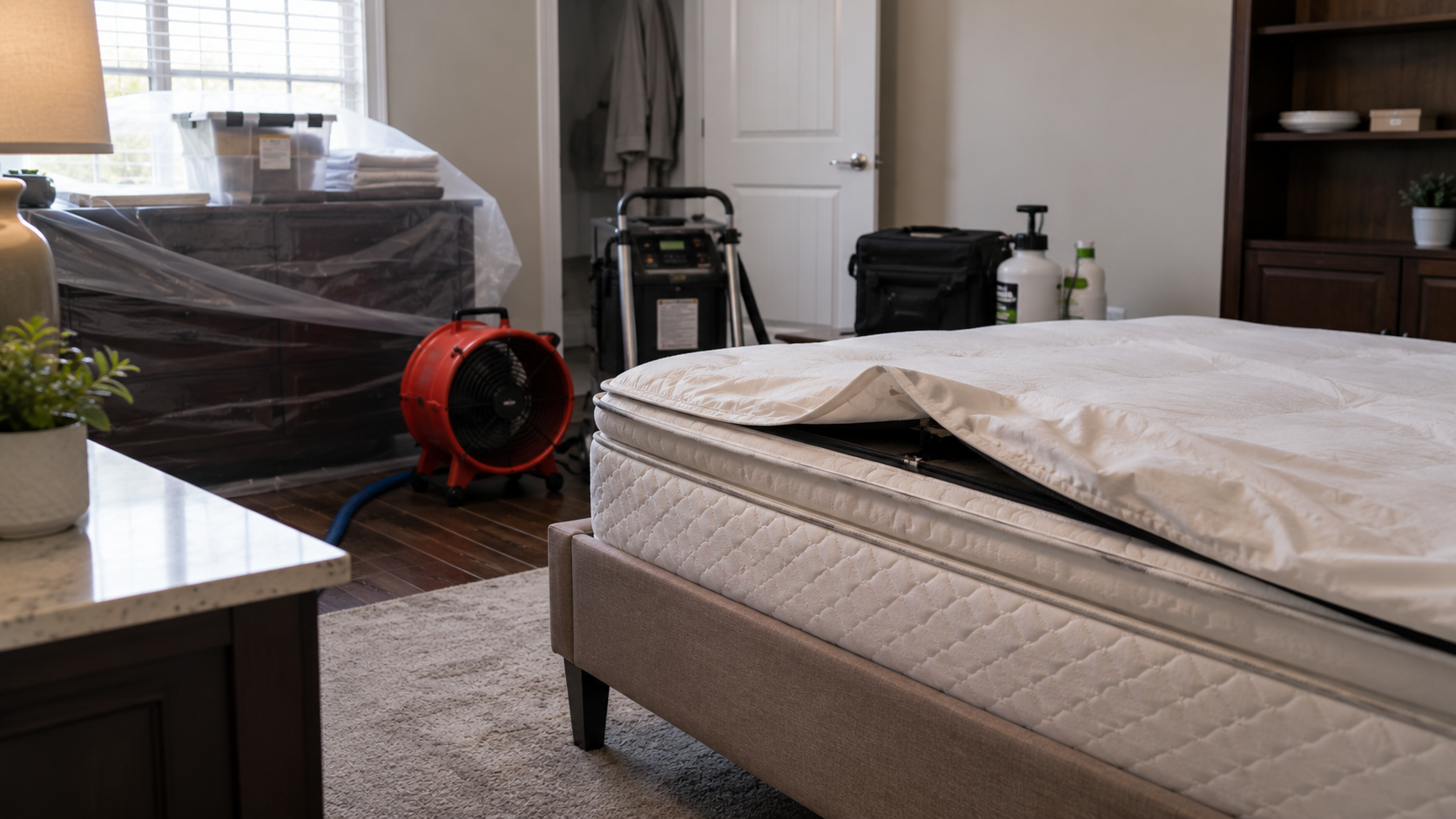
Professional bed bug treatment in Cape Coral involves an inspection to confirm and map the infestation, a treatment method matched to your situation (heat, chemical, or both), thorough preparation, and follow-up to confirm elimination. Bed bugs are one of the hardest pests to remove without professional help because they hide deep in cracks and their eggs resist many products.
If you have confirmed bed bugs and tried sprays or store-bought products, you have likely seen them return. DIY rarely reaches every hiding spot or kills every egg.
This guide covers what professional treatment includes, how heat and chemical methods compare, what results to expect, how to evaluate providers, and why follow-up matters. For help now, Paske Pest Control offers Cape Coral Pest Control and professional Cape Coral bed bug treatment.
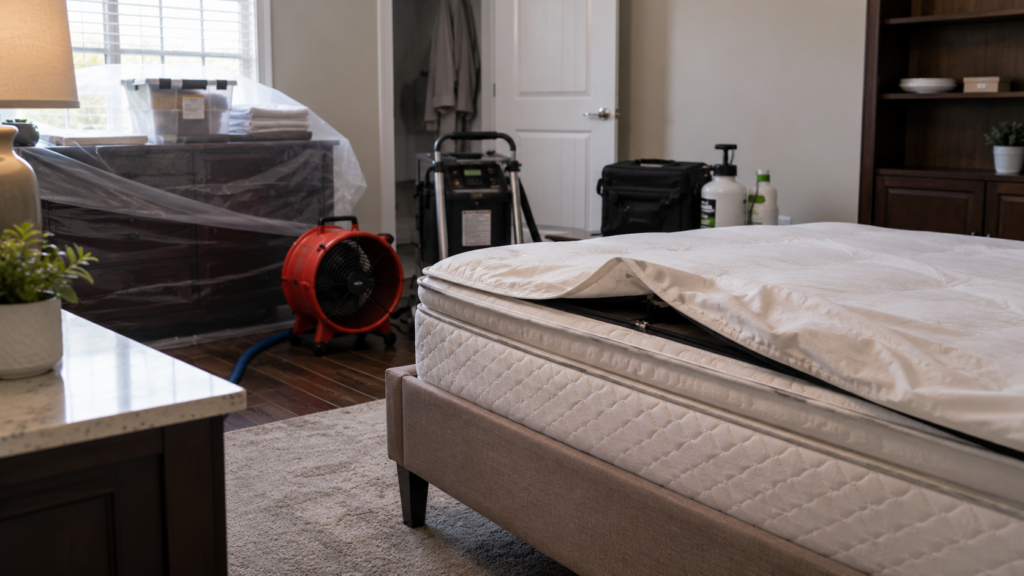
When Is It Time to Call a Professional for Bed Bugs in Cape Coral
With bed bugs, the answer is almost always right away. Bed bugs reproduce quickly, spread between rooms, and are extremely difficult to eliminate with DIY methods. The sooner treatment begins, the smaller and cheaper the problem stays.
You Have Confirmed Bites, Live Bugs, or Blood Spots
Small itchy bites in lines or clusters, live bugs in mattress seams, and small rust-colored blood spots on sheets all point to bed bugs.
Once you have confirmed any of these, the infestation is already established. Bed bugs do not pass through the way a stray ant might.
Sprays Reduced the Bugs, but They Came Back
Retail sprays kill bugs they directly contact, but miss the eggs and the bugs hidden in cracks, furniture joints, and wall voids.
If you treated the bites and they returned within a week or two, the infestation survived. This is the normal pattern with DIY bed bug control.
The Problem Is Spreading to Other Rooms
Bed bugs spread from the bedroom to couches, recliners, and adjacent rooms as the population grows. They travel along baseboards and through wall voids.
Spread to multiple rooms means a larger infestation that requires professional treatment to fully eliminate.
What a Professional Bed Bug Treatment Plan Should Include
A complete plan includes a thorough inspection, a treatment method matched to the infestation, detailed preparation guidance, and follow-up visits to confirm elimination. The EPA guidance on bed bug treatment recommends an integrated approach rather than a single product.
If a proposal is a single spray with no inspection or follow-up, expect the bugs to return.
Inspection to Confirm and Map the Infestation
The technician should inspect mattresses, box springs, headboards, furniture seams, baseboards, and electrical outlets to find where bed bugs are hiding.
Mapping the infestation determines which rooms need treatment and which method fits best.
Treatment Method Matched to Your Situation
Depending on the infestation, the provider may recommend heat, chemical, or a combination. The right choice depends on the severity, the layout, and your belongings.
A good provider explains why they recommend a specific method rather than applying the same approach to every home.
Preparation Guidance Before Treatment
Preparation is critical to success. The provider should give a detailed prep list: laundering bedding, removing clutter, and for heat treatments, removing heat-sensitive items like candles, aerosols, and electronics.
Skipping prep is a leading cause of treatment failure, because bugs survive in untreated clutter.
Follow-Up Visits to Confirm Elimination
Bed bug eggs can survive some treatments and hatch afterward. Follow-up visits confirm that no new activity is appearing and address any survivors.
Reputable providers build follow-up into the plan, especially for chemical treatments that may need a second application.
Heat vs. Chemical Bed Bug Treatment: Which Is Right for You
Both heat and chemical treatments are effective when done professionally. Heat kills all life stages in a single visit but leaves no residual protection. Chemical treatment offers residual protection but usually requires multiple visits. The table below compares the two.
Heat vs. Chemical Treatment
| Factor | Heat Treatment | Chemical Treatment |
|---|---|---|
| How it works | Heats rooms to 120–135°F to kill bugs and eggs | EPA-approved insecticides applied to harborage areas |
| Kills eggs? | Yes; all life stages in one session | Often requires repeat visits to catch hatchlings |
| Number of visits | Usually one | Typically two or more |
| Residual protection | None after heat is off | Yes; lingers on treated surfaces for weeks |
| Reaches deep hiding spots | Yes; heat penetrates cracks and furniture | Depends on application thoroughness |
| Prep considerations | Remove heat-sensitive items (candles, aerosols, electronics) | Launder bedding, reduce clutter, may vacate during application |
| Best fit | Fast, chemical-free, single-visit results | Budget-conscious, residual protection preferred |
When Heat Treatment Makes Sense
Heat treatment kills bed bugs at every life stage, including eggs, in a single visit. It penetrates cracks, furniture, and mattresses where chemicals may not reach.
It is a strong choice for homeowners who want chemical-free, fast results and do not mind the higher upfront cost or removing heat-sensitive items first.
When Chemical Treatment Makes Sense
Chemical treatment uses EPA-approved insecticides and leaves residual protection that keeps working on treated surfaces for weeks.
It is usually more affordable upfront, but typically requires two or more visits to catch bugs that hatch after the first application.
Why Some Infestations Need Both
Severe or widespread infestations sometimes call for a combination: heat to knock down the active population quickly, followed by chemical treatment for residual protection.
The right combination depends on the inspection findings, which is why identification comes before any treatment recommendation.
What Results to Expect and How Quickly Treatment Works
Heat treatment typically eliminates an infestation in a single visit. Chemical treatment usually takes two or more visits over several weeks. In both cases, follow-up confirms the bugs and eggs are gone.
Heat Treatment: Results in a Single Session
Heat kills bed bugs and eggs during the treatment itself, which usually lasts several hours. Most heat treatments resolve the infestation in one visit.
A follow-up inspection a few weeks later confirms no survivors remain.
Chemical Treatment: Results Over Multiple Visits
Chemical treatment kills bugs on contact and through residual exposure. Because eggs can survive the first application, a second visit is usually scheduled two to three weeks later.
Full elimination typically takes a few weeks. Be cautious of any provider who promises single-visit results with chemicals alone.
How to Evaluate a Bed Bug Control Provider Before Hiring
The best way to evaluate a provider is to ask specific questions during the estimate. The EPA guide to choosing a pest control company recommends verifying licensing and requesting written treatment details before signing.
Questions to Ask During the Estimate
- Will you inspect to confirm the infestation and identify which rooms are affected?
- Do you recommend heat, chemical, or both, and why for my situation?
- What preparation do I need to do before treatment?
- How many follow-up visits are included, and over what period?
- Are the products and methods safe for my pets and children?
- What is your callback policy or guarantee if bugs return?
- Are you licensed under the Florida Structural Pest Control Act, Chapter 482, and can you provide your license information?
A provider who quotes a single spray with no inspection or follow-up is not offering real bed bug control.
What a Good Treatment Proposal Should Include
A written proposal should specify the inspection findings, the treatment method, the rooms to be treated, preparation requirements, the number of follow-up visits, total cost, and any guarantee.
Most professional bed bug treatments are applied to be safe for households with pets and children when prep and re-entry guidance is followed. Confirm specifics with your provider.
How to Prevent Bed Bugs From Coming Back
Bed bugs are usually brought in from travel, used furniture, or visitors, not from poor housekeeping. Preventing a return is about vigilance and a few simple habits, not constant treatment.
Inspect After Travel and With Used Furniture
Bed bugs hitchhike in luggage and on secondhand furniture. Inspect luggage after trips and examine any used furniture before bringing it inside.
This is the single most effective way to avoid reintroducing bed bugs after a successful treatment.
Encasements and Early Monitoring
Mattress and box spring encasements trap any remaining bugs and make future inspections easier. Interceptor cups under bed legs catch bugs trying to climb up.
Catching a reintroduction early keeps it small and far easier to treat.
How to Get Started With Bed Bug Treatment in Cape Coral
Start by scheduling an inspection with a licensed provider who confirms the infestation before recommending a method. Ask the questions listed above. Compare proposals if you have time, but do not delay, since bed bugs multiply quickly.
Paske Pest Control provides Cape Coral bed bug treatment with inspection, heat, and chemical options, preparation guidance, and follow-up visits to confirm elimination.
The longer bed bugs go untreated, the more they spread and the harder they are to eliminate. Prompt professional treatment is the most reliable way to end the problem and get your sleep back.
FAQs
How much does professional bed bug treatment cost in Cape Coral?
Cost varies by method, the number of rooms affected, and the severity of the infestation. Heat treatment is usually more expensive upfront than chemical treatment but often resolves the problem in one visit.
How long does bed bug treatment take to work?
Get a written estimate that specifies the method, rooms, follow-up visits, and any guarantee. Cheaper one-time sprays often skip the follow-up that makes treatment last.
Heat treatment typically eliminates an infestation in a single session lasting several hours. Chemical treatment usually takes two or more visits over a few weeks.
Follow-up inspections confirm the bugs and eggs are gone in both cases
Will I have to throw away my mattress or furniture?
Usually not. Professional treatment, especially heat, can save most furniture and mattresses by killing bugs and eggs in place.
Encasements can then protect a treated mattress. Discarding furniture is only necessary in severe cases, and your provider will advise if so.
Are bed bug treatments safe for pets and children?
Heat treatment uses no chemicals and is safe once the space cools. Chemical treatments use EPA-approved products applied so the home is safe to re-enter after the recommended drying time.
Your provider will give specific re-entry guidance based on the method used.
Do bed bugs spread disease?
Bed bugs are not known to transmit disease to humans. The main concerns are itchy bites, allergic reactions in some people, and the stress and lost sleep an infestation causes.
Scratching bites can sometimes lead to secondary skin infections, so bites should be kept clean.
How did I get bed bugs if my home is clean?
Bed bugs are not a sign of an unclean home. They are brought in from travel, used furniture, secondhand items, or visitors.
They feed on blood, not crumbs or dirt, so cleanliness does not prevent them. Inspection after travel and with used furniture is the best defense.
Can I treat bed bugs myself?
DIY rarely works for an established infestation. Retail sprays miss eggs and bugs hidden deep in cracks, furniture joints, and wall voids.
Bed bugs also resist many over-the-counter products. Professional heat or chemical treatment reaches the hiding spots and life stages DIY cannot, which is why early professional treatment is recommended.