Spider Control in Southwest Florida That Removes the Spiders and Eliminates What Attracts Them
Stop black widows, brown recluses, and nuisance spiders from taking over your home and yard
Serving Sarasota, Charlotte, Lee, and Collier Counties
★★★★★ 4.8 Google Rating
970+ Reviews
🎖️ Veteran-Owned
👨👩👧👦 Family Operated
✔ 100% Guarantee
WHAT YOU GET
✔ 100% Guarantee
✔ Same-day service when you call before noon
✔ Species identification to assess venomous risk and determine the right treatment
✔ Removal of active spiders, webs, and egg sacs
✔ Interior and exterior treatment targeting harborage areas and entry points
✔ Insect prey reduction to eliminate what draws spiders to your property
✔ Family- and pet-safe treatment methods
The spider you see on your wall is there because your home is feeding it. Spiders follow prey. If insects are getting inside your house, spiders move in after them.
Killing individual spiders with a shoe or a spray does nothing about the egg sacs tucked into corners, the webs rebuilding overnight, or the insect population drawing more spiders to your property.
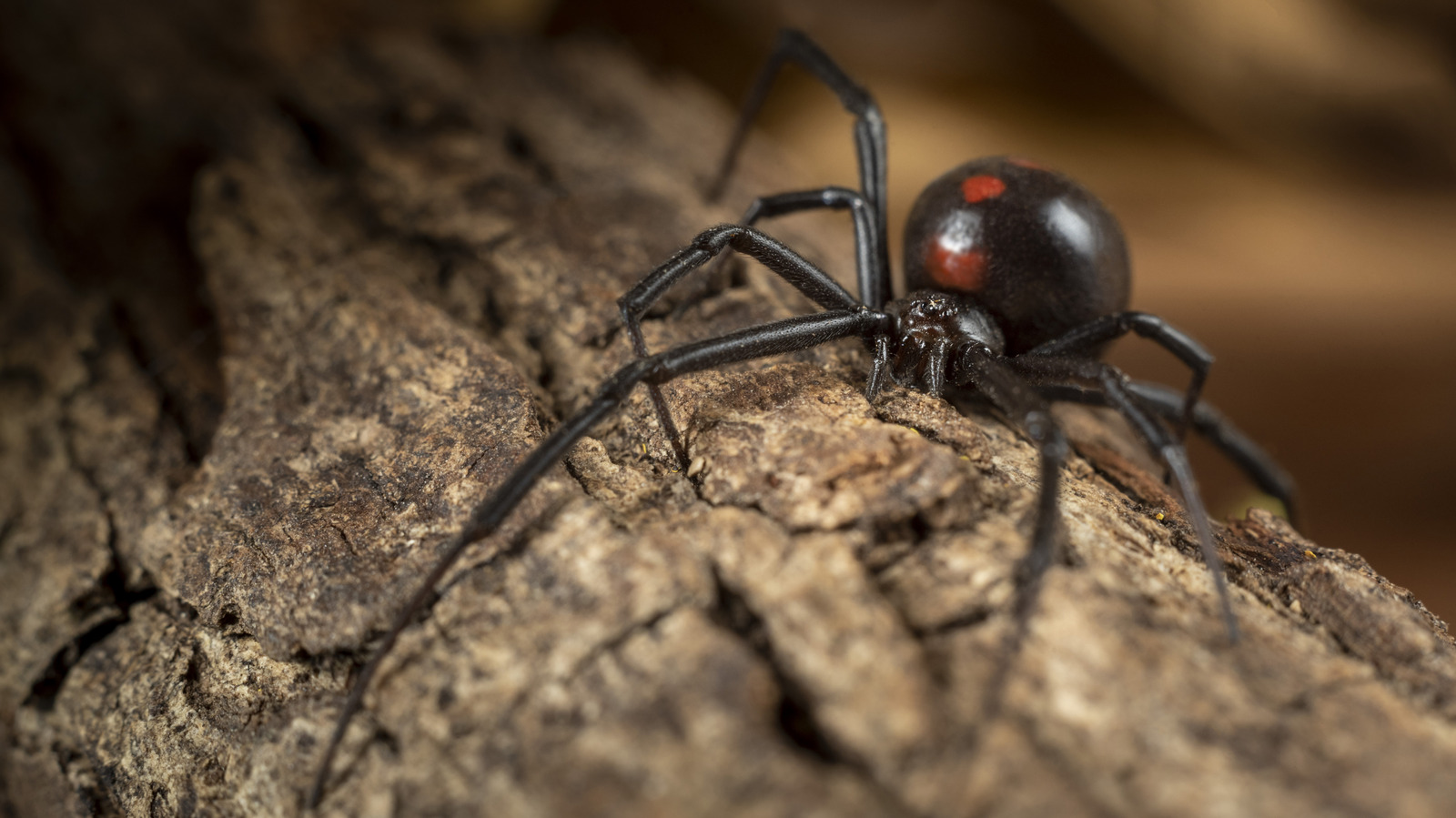
Southwest Florida is home to venomous species that create real health risks. Black widows nest in garages, woodpiles, and crawlspaces. Brown recluses hide in closets, attics, and stored boxes.
A bite from either can require emergency medical treatment. Professional spider control requires identifying the species on your property, targeted removal of spiders and egg sacs, and treating the conditions that attract them.
Spider Problems in Southwest Florida Are a Year-Round Threat
Florida’s heat and humidity keep insects active 12 months a year. That means the food supply spiders depend on never stops. There is no winter freeze to reduce populations. Spiders breed, lay egg sacs, and continuously expand into new areas of your home.
Black widows
They are the most dangerous spider in Southwest Florida. The southern black widow carries highly toxic venom that attacks the nervous system. Bites cause severe pain, muscle cramping, nausea, and, in rare cases, require hospitalization. Black widows nest in dark, undisturbed spaces: garages, woodpiles, crawlspaces, meter boxes, and outdoor furniture. They are nocturnal and often go unnoticed until someone reaches into a hiding spot.
Brown recluses
These are less common in Southwest Florida, but confirmed sightings do occur, particularly in older structures and buildings that receive shipments from other states. Their venom causes the skin around the bite to ulcerate, creating a wound that is slow to heal and prone to infection. Brown recluses hide in closets, attics, stored boxes, and seldom-disturbed areas. They are not aggressive but will bite when pressed against skin accidentally.
Brown widows
They are increasingly common across Lee, Collier, Charlotte, and Sarasota counties. They nest under outdoor furniture, eaves, mailboxes, and fence rails. Their venom is potent, though they inject less per bite than a black widow. They reproduce quickly and can establish multiple egg sacs across your property in a short time.
Eliminate Spiders and the Conditions That Bring Them Back
Removing the spider on your wall does nothing to address the egg sacs in your garage or the insects that are drawing more spiders through your soffit vents. Professional spider control in Southwest Florida eliminates current activity and reduces the conditions that attract spiders.
Inspection:
We inspect the interior and exterior of your property to identify spider species, locate webs and egg sacs, find harborage areas, and assess the insect activity feeding the spider population. We document venomous species locations so you know exactly where the risks are.
Treatment:
We remove active webs and egg sacs manually. We apply targeted treatments to interior harborage areas, including corners, closets, baseboards, attics, and crawlspaces. Exterior treatment covers eaves, soffits, window frames, door frames, garage entry points, and landscaping perimeters. We also treat for the insect prey that sustains spider populations, cutting off their food supply at the source.
Prevention:
Removing current spiders without ongoing treatment guarantees new ones move in to replace them. Scheduled prevention visits maintain a treated barrier around the structure, reduce insect prey activity, and detect new web and egg-sac development early. We also seal accessible entry points that spiders and insects use.
Results You Can Expect
✓ Active spiders, webs, and egg sacs removed
✓ Venomous species harborage areas identified and treated
✓ Insect prey populations are reduced to cut off the food supply
✓ Free re-treatment if spiders return between scheduled visits
Eliminate and Prevent Spiders in 4 Easy Steps
1
Tell Us What You’re Seeing
Call or request service online. Let us know where you’re seeing spiders, webs, or egg sacs, how frequently they appear, and whether you’ve noticed any species that look like black widows or brown recluses.
2
Same-Day Inspection When Available
Our licensed technician inspects the full interior and exterior, identifies all spider species present, locates webs and egg sacs, documents the locations of venomous species, and assesses the insect prey activity that sustains the population.
3
Spider Removal and Site Treatment
We remove webs and egg sacs, apply targeted treatments to interior and exterior harborage areas, and treat for insect prey. You receive photos and documentation of the work.
4
Ongoing Prevention
Once active spiders are removed and harborage areas are treated, we transition to scheduled prevention visits to maintain the treatment barrier, reduce insect prey, and catch new activity early.
Why Paske Spider Control Works When Others Fail
✓ Inspection, removal, and prevention handled together
✓ Venomous species identification and targeted harborage treatment
✓Insect prey reduction to eliminate what attracts spiders to your property
✓Web and egg sac removal included with every treatment
✓ Same-day service available
✓ Biologist on staff for complex or recurring infestations
✓ 30+ years of pest control experience in Southwest Florida
✓ 100% satisfaction guarantee
What the Customers Say Across Southwest Florida
★★★★★ 4.8 Average Rating
970+ Google Reviews
Veteran-Owned & Family Operated
★★★★★
Technician was super polite and courteous. As well he was informative with great purpose in his work. I am impressed and HIGHLY recommend this company.
Dave M.
★★★★★
We had rats in our attic for months. Paske came out same day, identified every entry point, and had the problem solved in under three weeks. Their monitoring gives us peace of mind.
Maria L.
★★★★★
Professional from start to finish. They documented everything with photos and explained exactly what they were doing. The exclusion work is solid and I haven’t had any issues since.
James T.
Spider Control Pricing
Complete Spider Protection Package
$100 initial service + $43/month prevention
✓ Includes inspection, species identification, web and egg sac removal, interior and exterior treatment, insect prey reduction, documentation, and ongoing prevention visits.
✓ Custom pricing available for large properties, commercial locations, and properties with venomous species requiring specialized treatment.
Custom pricing available for large properties, commercial locations, or severe infestations.
SWFL Spider Control FAQs
What venomous spiders are found in Southwest Florida?
The southern black widow is the most common venomous spider in the region. Brown widows are increasingly prevalent across Lee, Collier, Charlotte, and Sarasota counties. Brown recluses are less common but do occur, particularly in older structures and buildings that receive shipments from out of state. If you suspect a venomous spider on your property, do not attempt to handle it. Contact us for identification and safe removal.
Why do I keep seeing spiders even though my house is clean?
Spiders follow prey, not dirt. A clean home can still have insect activity from ants, flies, mosquitoes, and other small insects entering through gaps in doors, windows, soffits, and utility penetrations. As long as insects are getting inside, spiders will follow. Effective spider control requires reducing the insect population and treating entry points, not just cleaning.
Are your spider treatments safe for children and pets?
Yes. We use EPA-approved products applied to targeted harborage areas: cracks, crevices, baseboards, eaves, and other locations where children and pets do not have direct contact. We explain any temporary precautions before treatment begins.
How long does spider treatment take to work?
You will see a significant reduction in spider activity within the first week. Full results build over 2 to 4 weeks as treatments reduce the insect prey population that sustains spider activity. Egg sacs that were removed during treatment are gone permanently, and residual products continue working in treated areas between visits.
What if spiders come back after treatment?
If spiders return between scheduled visits, we come back for free. That is our guarantee. It is normal to see a few spiders in the days immediately following treatment as products take full effect. If activity persists beyond the first two weeks, contact us and we will reassess and re-treat at no cost.
I found a black widow in my garage. What should I do?
Do not attempt to handle or kill it yourself. Black widows are fast, and bites happen when people accidentally press against them or reach into hiding spots. Keep children and pets away from the area and call us. We will identify the species, remove it safely, and inspect for additional black widow activity in and around the structure.
Why are there so many webs around my outdoor lights?
Outdoor lights attract flying insects at night. Spiders build webs near lights because they provide a steady food source. Switching to yellow or amber LED bulbs reduces the number of insects attracted to lights. Our exterior treatment also targets these high-activity zones to reduce web building and spider populations around the structure.
Do I need ongoing treatment for spiders?
Yes. In Southwest Florida, insect prey is active year-round, which means spider pressure never stops. Without scheduled treatment, new spiders move into the same harborage areas and rebuild webs within weeks. Ongoing prevention visits maintain the treatment barrier, reduce insect activity, and remove new webs and egg sacs before populations rebuild.
Can spiders cause structural damage to my home?
Spiders themselves do not damage structures. However, heavy web buildup on eaves, soffits, porches, and screen enclosures stains surfaces and creates an unkempt appearance. More importantly, a large spider population signals a large insect population, and some of those insects (carpenter ants, termites) can cause structural damage. Spider control often uncovers underlying insect issues that need attention.
What are the large spiders building webs across my walkway?
Those are most likely banana spiders (golden silk orb weavers). They are common throughout Southwest Florida and build webs that can span several feet between trees, bushes, and structures. They are not dangerous to humans but their size and web placement are a constant nuisance. Our exterior treatment targets areas where these spiders anchor their webs and reduces the insect prey that keeps them in place.
Take the Next Step
Ready to Stop the Cycle?
Schedule service today. Call before noon for same-day availability across Sarasota, Charlotte, Lee, and Collier Counties.