
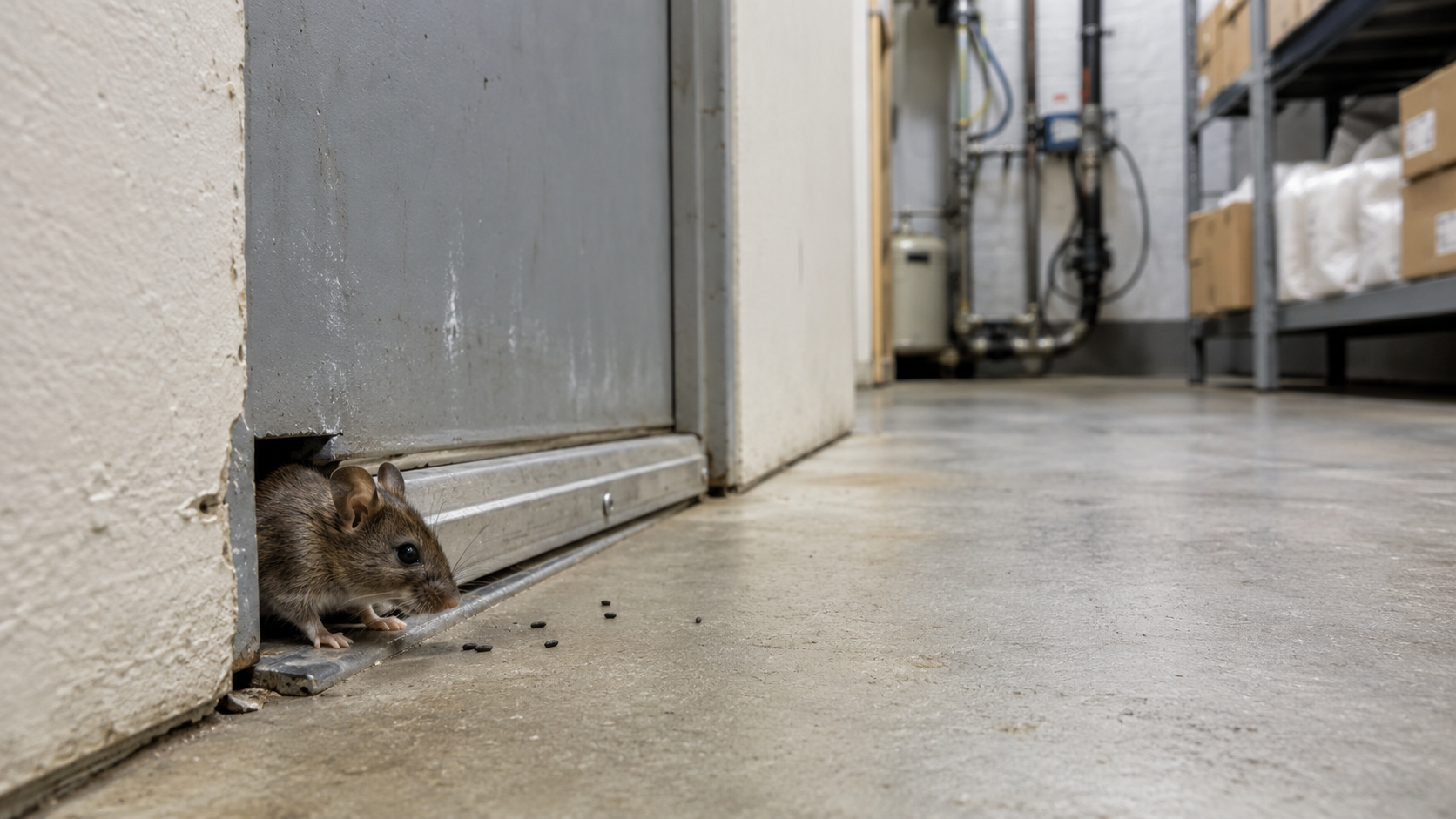
Mice get into Cape Coral homes and businesses because they can squeeze through a gap the width of a pencil, and the region’s year-round warmth never forces them to slow down. A property does not have to be old or dirty to attract them; it only has to offer a small opening, a little food, and a warm place to nest.
The house mouse is the rodent behind most indoor mouse problems in Florida. It is small, curious, and quick to exploit the gaps that come with doors, pipes, docks, and equipment, which is why houses and businesses alike are fair game.
This guide explains why mice get in, where they settle, the risks they carry, and how to keep them out, across homes and commercial properties. For help now, Paske Pest Control offers Cape Coral Pest Control and professional Cape Coral rodent control.
Looking for rat information? This article is about house mice. For roof rats and attic problems, see Paske’s Cape Coral rat control resources and the rat guides on the Paske blog.
Why Mice Thrive in Cape Coral All Year
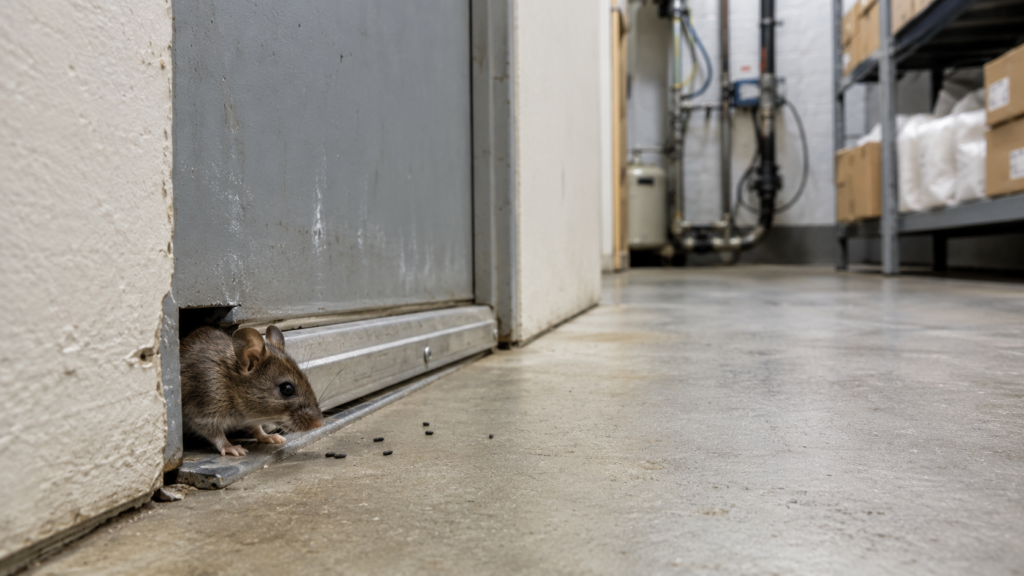
Mice thrive here because three things line up year-round: a warm climate with no freeze, easy food and water, and buildings full of small gaps. Together they let mouse populations stay active and grow every month. The CDC rodent prevention guidance points to removing those three draws as the foundation of control.
A Warm Climate With No Off-Season
Cape Coral never gets cold enough to force mice into a seasonal die-off, so they feed and breed all year.
That uninterrupted cycle is a big part of why mouse pressure here stays higher than in colder regions.
Food and Water Are Always Within Reach
At home, crumbs, pet food, and pantry items are enough to sustain mice. In a business, kitchens, dry goods, spills, and dumpsters offer far more.
Wherever a reliable meal and a little moisture exist, mice tend to settle nearby.
Buildings Offer Endless Small Gaps
Ordinary construction leaves openings around pipes, doors, and vents that mice treat as doorways.
Commercial buildings add loading docks, roof vents, and utility chases, multiplying the ways mice can slip inside.
How Mice Get Inside
Mice get in through small, low openings, most no wider than a quarter inch, around doors, pipes, vents, and foundations. The table below lists the entry points that matter most, and where to check for them in homes and businesses.
Common Mouse Entry Points
| Entry Point | Check at Home | Check at a Business |
| Door gaps | Worn weatherstripping on exterior doors | Loading dock doors and propped rear doors |
| Pipe and utility penetrations | Under sinks and behind laundry hookups | Kitchen plumbing, equipment lines, utility chases |
| Vents and weep holes | Dryer, gable, and soffit vents | Rooftop and wall vents, exhaust openings |
| Foundation and slab cracks | Garage and block cracks | Dock levelers, slab seams, expansion joints |
| Around equipment | Behind and under appliances | Coolers, ovens, and HVAC or motor housings |
\Why a Quarter-Inch Gap Is Enough
A mouse can compress its flexible body and skull to pass through an opening roughly the width of a pencil.
That is why a home or building can look well sealed and still let mice in through gaps most people never notice.
Doors and Docks Are the Weak Points in Businesses
Propped rear doors, active loading docks, and frequent deliveries give commercial mice an easy path indoors.
Every incoming shipment is also a chance for mice to ride in with pallets and packaging.
Where Mice Nest in Homes and Commercial Properties
Once inside, mice build nests in warm, hidden, low-traffic spots within about 30 feet of food. In a home that is a wall void or cluttered closet. In a business it is dry storage, a false ceiling, or the space inside equipment.
Nesting Spots in Cape Coral Homes
Mice favor wall voids, attic and wall insulation, closets, garages, and the spaces behind appliances.
These spots stay warm and undisturbed, which is exactly what a nesting mouse looks for.
Nesting Spots in Restaurants, Warehouses, and Offices
In commercial settings, mice nest in dry storage, pallet stacks, false ceilings, break rooms, and utility or server rooms.
The interiors of coolers, ovens, and other equipment also make warm, sheltered nesting sites.
Why Mice Stay Close to Food
Because mice keep a tight foraging range of roughly 30 feet, nests almost always sit near a steady food source.
Following the food is often the fastest way to locate where mice are actually living.
The Risks Mice Pose to Homes and Businesses
Mice bring two risks everywhere they go: they spread bacteria and contaminate food and surfaces, and they chew wiring and materials. For a business, add a third: failed inspections and damaged reputation. The CDC guidance on diseases from rodents details the health side.
Disease and Food Contamination
Mice can spread salmonella and other pathogens through their droppings and urine, contaminating food and prep surfaces.
At home that threatens the pantry; in a business it can compromise entire batches of product.
Chewed Wiring and Fire Risk
Mice gnaw constantly, and chewed electrical wiring inside walls and equipment is a recognized cause of fires.
This risk applies to houses and commercial buildings alike, wherever wiring runs through concealed spaces.
For Businesses: Inspections, Closures, and Reputation
A mouse problem in a commercial kitchen or retail space can lead to health-code violations and even temporary closure.
A single visible mouse or a bad review can also do lasting damage to customer trust.
Why Commercial Properties Face Higher Mouse Pressure
Commercial properties in Cape Coral face more mouse pressure than most homes because they combine abundant food, constant door and dock traffic, and large, complex layouts that give mice cover.
Constant Deliveries and Open Doors
Frequent shipments and propped doors give mice repeated chances to enter, and pallets can carry them in directly.
Each delivery is an opportunity that a home simply does not face at the same scale.
Food Volume and Waste
Commercial kitchens, dry storage, and dumpsters concentrate far more food than a household, drawing mice from the surrounding area.
Spills and waste that are not managed quickly become a reliable food supply.
Large, Complex Layouts
Bigger footprints, more equipment, and shared walls in plazas create abundant harborage and make thorough inspection harder.
Mice can also travel between units, so one tenant’s problem can spread across a building.
How to Lower Your Chances of a Mouse Problem
The best prevention is the same for homes and businesses: close the small gaps, cut off food and water, and reduce clutter. A few consistent habits make any property far less inviting to mice.
Seal openings a quarter inch or larger around pipes, doors, vents, and foundations. Steel wool and copper mesh work well because mice cannot chew through them.
Store food in sealed containers, clean up spills quickly, and keep waste in closed bins. For businesses, tight dumpster management and prompt cleanup are especially important.
Reduce clutter and keep storage organized and off the floor, since undisturbed piles give mice cover to nest.
For commercial properties, keep dock and rear doors closed when not in use, maintain door sweeps, and inspect deliveries before they come inside.
When to Take Action in Cape Coral
Take action at the first sign, whether that is small droppings, gnaw marks, or an actual sighting, because mice multiply quickly and a small problem becomes a large one within weeks.
Professional inspection and sealing are the reliable way to keep mice out for good. Paske Pest Control provides Cape Coral rodent control for homes and businesses across the area.
For continuous protection, recurring pest control plans catch new activity early, which is especially valuable for commercial accounts that cannot afford a surprise infestation.
FAQs
How small a gap can a mouse fit through?
A house mouse can pass through an opening about a quarter inch wide, roughly the width of a pencil.
This is why sealing even small gaps around doors, pipes, and vents matters so much for keeping mice out.
Does having mice mean my home or business is dirty?
No. Mice are drawn to any property that offers a small entry point, some food, and a warm place to nest, regardless of how clean it is.
Even well-kept homes and spotless commercial kitchens can get mice if the gaps and food sources are there.
Why do mice keep getting in even after I seal one hole?
Mice usually use more than one entry point, so closing a single gap rarely solves the problem.
A thorough inspection finds the full set of openings, which is what makes sealing effective.
Can mice really cause a fire?
Yes. Their constant gnawing can strip insulation from electrical wiring, and exposed wiring is a documented fire hazard.
Because the wiring runs through hidden spaces, the damage often goes unnoticed until it becomes serious.
Are commercial properties more likely to get mice than homes?
Generally, yes. Businesses combine more food, more door and dock traffic, and larger layouts, all of which attract and shelter mice.
That is why many commercial properties rely on ongoing monitoring rather than one-time treatment.
How fast can a mouse problem grow?
Quickly. Mice breed year-round in Cape Coral’s climate, and their numbers can climb from a few to many within weeks.
Acting at the first sign is far easier than dealing with an established population later.
Will mice leave on their own if I remove food?
No. Cutting off food slows them down, but established mice will not abandon a warm, sheltered nest simply because food is harder to find.
They will forage farther or shift between sources while continuing to nest, so removing food helps but does not solve the problem alone.